tallow vs lanolin
Tallow vs Lanolin: Two Animal-Based Moisturizers Compared
Tallow vs lanolin, two animal-based moisturizers compared honestly. Learn about texture, absorption, allergy notes, and which may suit your skin.
Key takeaways
- ✓Tallow and lanolin are both animal-derived moisturizers with long histories in skin care.
- ✓Tallow is rendered animal fat with a fatty acid profile that closely resembles human skin lipids, so it tends to absorb well and feel light when properly made.
- ✓Tallow is fat rendered from cattle.
- ✓Lanolin is a waxy, oil-like substance secreted by sheep and collected from their wool.
Tallow and lanolin are both animal-derived moisturizers with long histories in skin care. At TB Luxe, our family hand-renders grass-fed, pasture-raised tallow in small batches, and we are happy to compare it fairly with lanolin so you can make an informed choice.
Tallow vs lanolin: the short answer
Tallow is rendered animal fat with a fatty acid profile that closely resembles human skin lipids, so it tends to absorb well and feel light when properly made. Lanolin is a waxy substance from sheep's wool that is highly occlusive and excellent at sealing in moisture, though a notable minority of people are sensitive to it. Both protect and soften skin in different ways.
“Tallow is rendered animal fat with a fatty acid profile that closely resembles human skin lipids, so it tends to absorb well and feel light when properly made.
What is tallow?
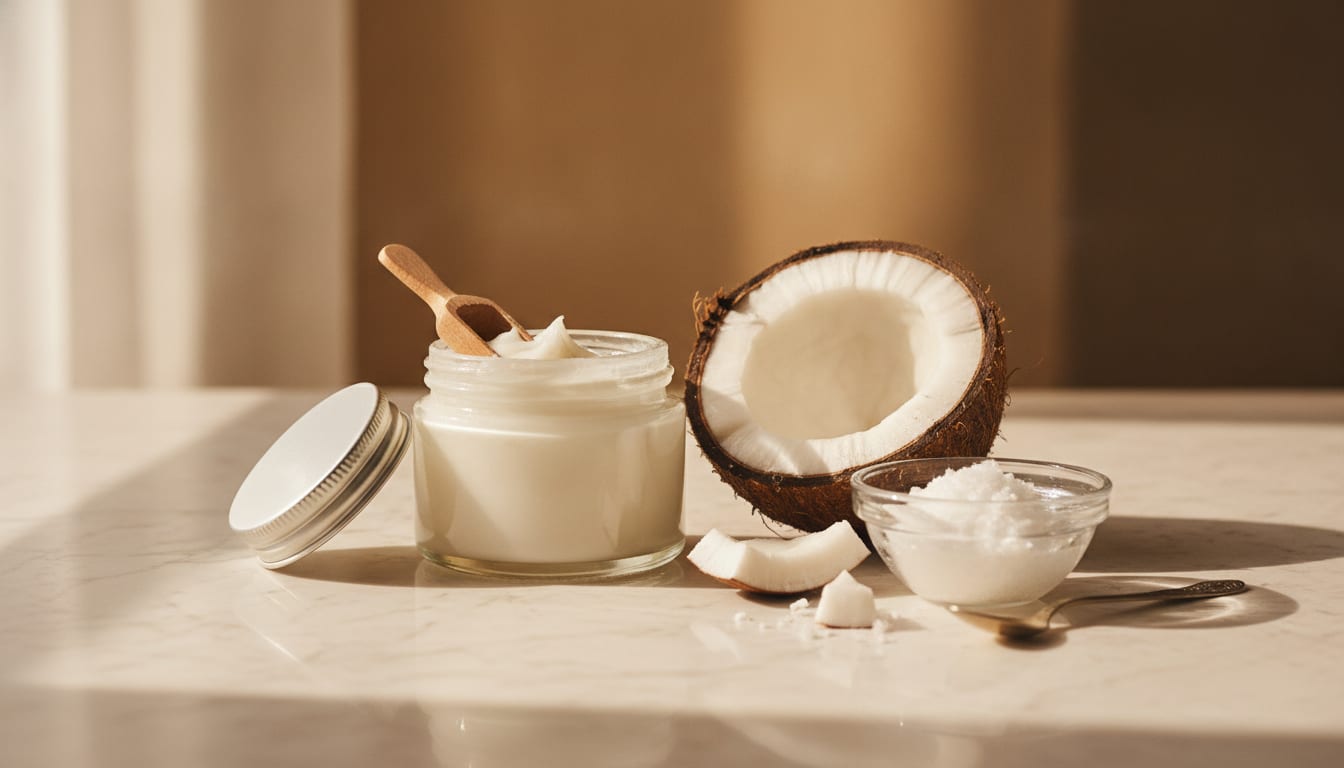
Tallow is fat rendered from cattle. Its composition is notably similar to the natural oils in your own skin, which may help it absorb smoothly and support the feel of a healthy moisture barrier (PMC11193910). Grass-fed, pasture-raised tallow is also a source of vitamins A, D, E, and K.
When rendered well, tallow does not smell like meat and is not greasy. At TB Luxe we purify ours with Mediterranean Sea salt in small batches, with no chemicals, preservatives, or artificial additives. Our Royal Whipped Tallow Cream comes in a soft, whipped texture in reusable glass jars.
What is lanolin?
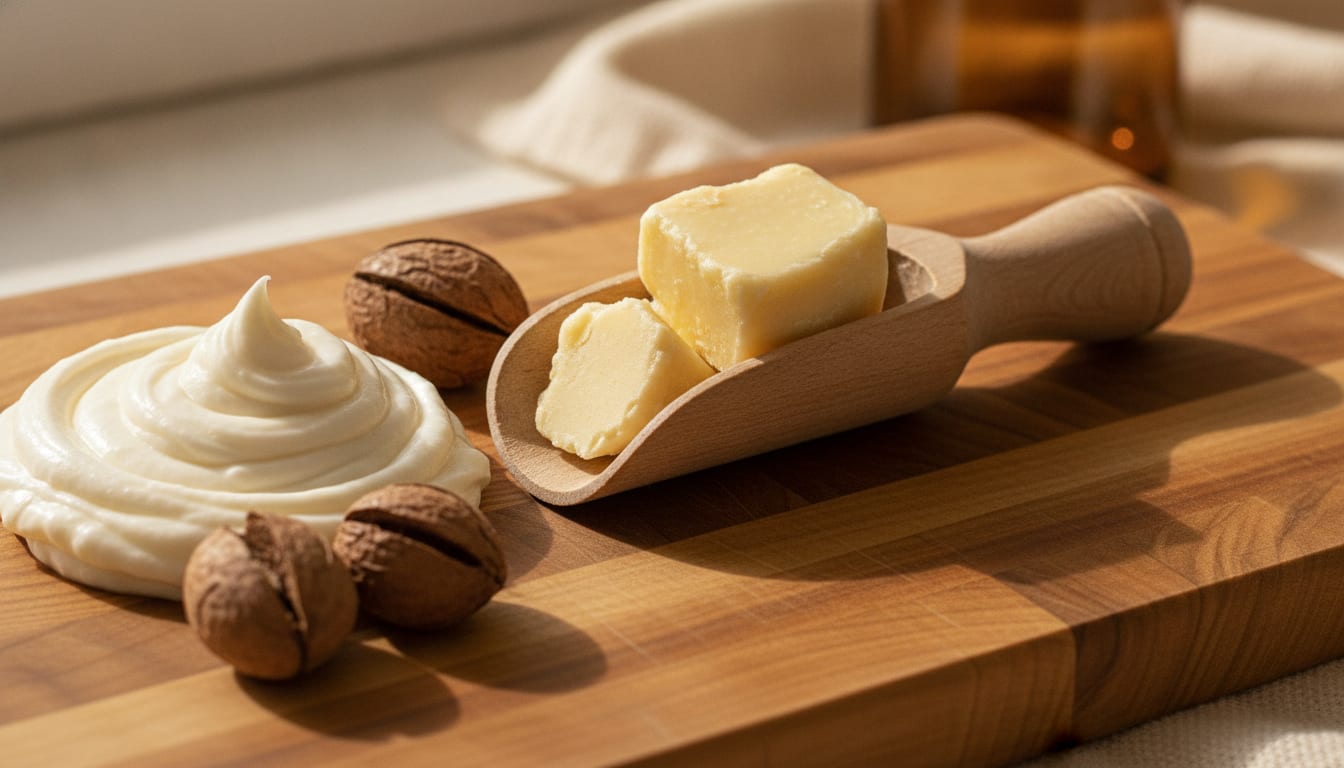
Lanolin is a waxy, oil-like substance secreted by sheep and collected from their wool. It is one of the most occlusive natural moisturizers available, meaning it forms a protective layer that helps slow water loss from the skin (PMC12661468). This makes it popular for very dry skin, chapped lips, and other areas that need a strong seal.
The main consideration with lanolin is contact sensitivity. A portion of people experience allergic reactions to lanolin, so patch testing is especially important if you have reactive skin or a history of allergies.
Texture, absorption, and use
Tallow tends to feel lighter and absorbs more readily because its lipids resemble your skin's own. Lanolin is denser, stickier, and more occlusive, sitting on top of the skin to seal it. Many people find tallow more pleasant for daily all-over use, while lanolin shines for targeted, heavy-duty sealing on small areas.
A quick comparison summary:
- Source: Both are animal-derived; tallow from cattle, lanolin from sheep's wool.
- Skin similarity: Tallow closely mirrors human skin lipids; lanolin is a wax-like sealant.
- Feel: Tallow tends to absorb and feel lighter; lanolin is dense, sticky, and highly occlusive.
- Allergy notes: Lanolin causes contact sensitivity in a notable minority; patch test carefully. Tallow is often well tolerated.
- Best for: Tallow suits everyday face and body care; lanolin suits targeted sealing of very dry, chapped areas.
Which one should you choose?
If you want a versatile, skin-like moisturizer that absorbs well and feels light, tallow is a great everyday choice. If you need a powerful occlusive seal for small, very dry areas and you know you tolerate it, lanolin can be excellent. Anyone with a history of skin allergies should patch test lanolin with extra care.
For a tallow option you can use head to toe, explore our Golden Tallow Balm or T&B Luxe Lip Balm. See everything on our shop all page.
Frequently Asked Questions
Is lanolin or tallow better for very dry skin?+
Both help. Lanolin is more occlusive and seals strongly, while tallow absorbs more readily and feels lighter. Some people use tallow daily and lanolin on stubborn dry spots.
Can I be allergic to lanolin?+
Yes, a notable minority of people experience contact sensitivity to lanolin. Patch test before regular use, especially if you have allergy-prone skin.
Is tallow less greasy than lanolin?+
Generally yes. Properly rendered tallow absorbs well and feels lighter, while lanolin is denser and stickier.
Are both tallow and lanolin animal-derived?+
Yes. Tallow comes from cattle and lanolin from sheep's wool. Neither is suitable if you avoid animal ingredients.
Does tallow smell like meat?+
No. Carefully rendered tallow is essentially odorless. We scent only with steam-distilled essential oils.
How should I patch test a new moisturizer?+
Apply a small amount to your inner forearm and wait 24 to 48 hours to check for any reaction before broader use. These statements have not been evaluated by the Food and Drug Administration. This product is not intended to diagnose, treat, cure, or prevent any disease.
Tallow care to explore
Products our customers reach for


Have a question about your skin?
Marvin, our resident tallow expert, is here to help, and he’ll unlock 10% off your first order.
Chat with Marvin 🐮From the TB Luxe family
We’re Tabitha & Benjamin Moore, a family of seven hand-crafting grass-fed tallow skincare. Follow along for more honest tallow guides, new products, and where to find us in person.
Keep reading